66,5 Grad Nord - Die Artkis (1/3)
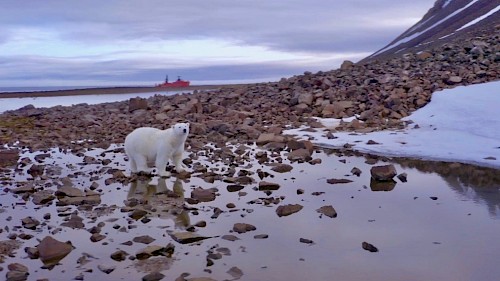
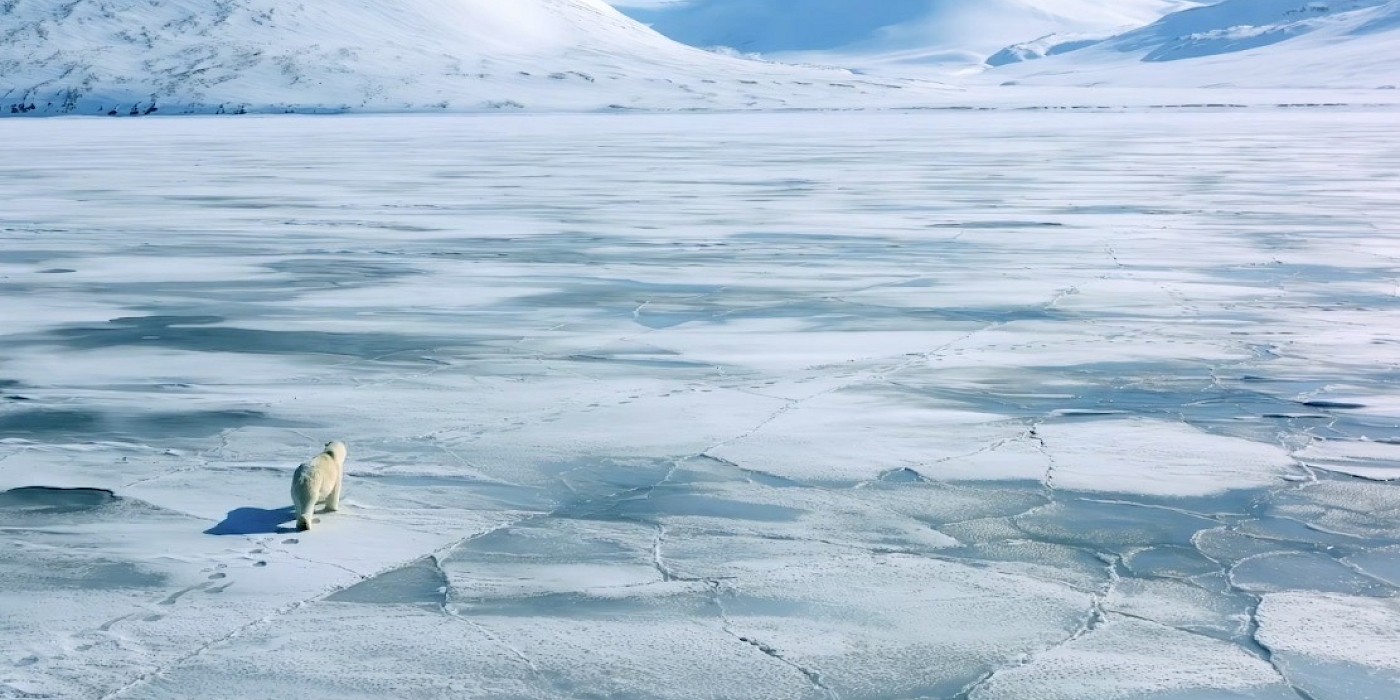
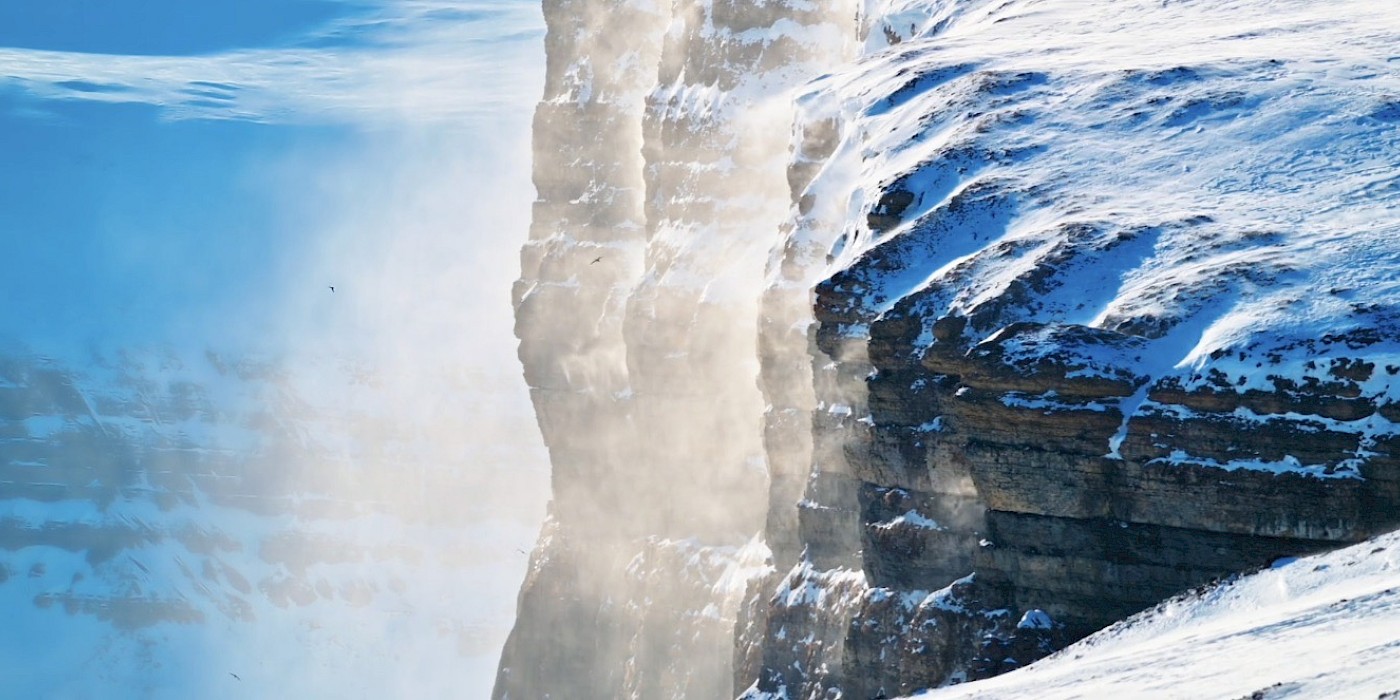
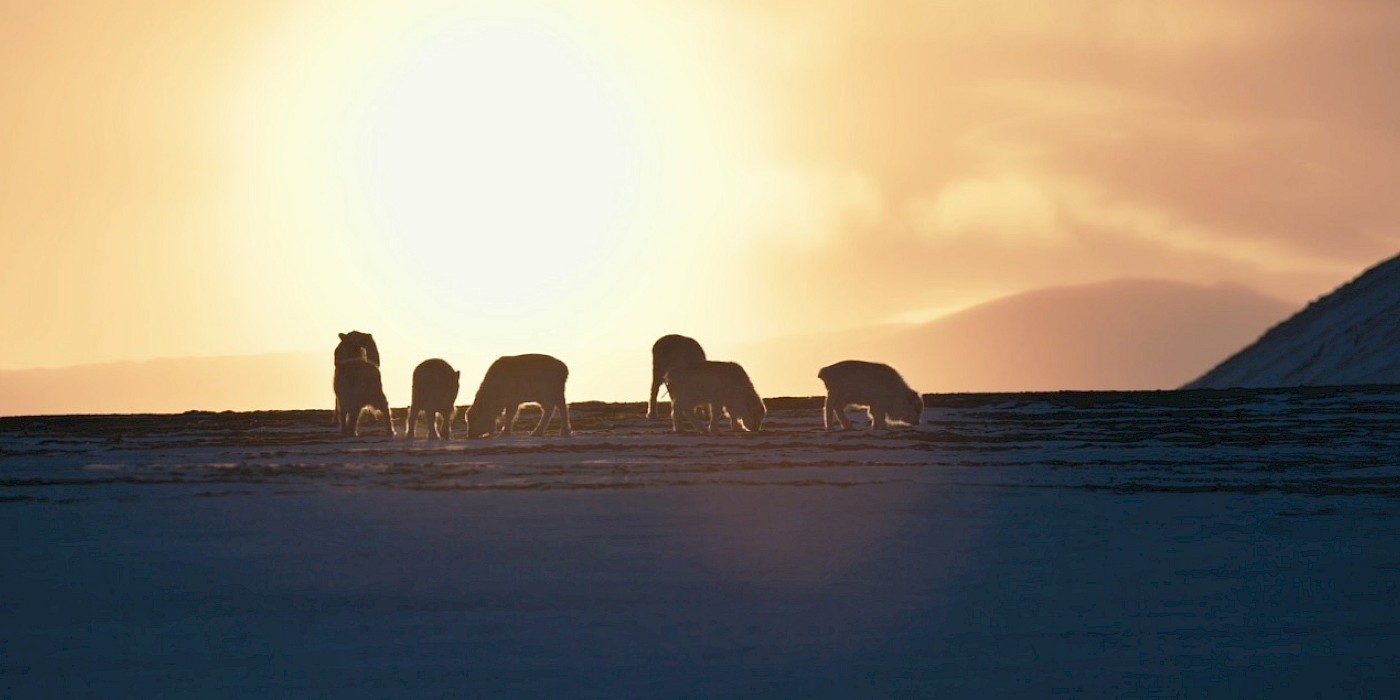
The first episode of the Terra X series The Arctic – 66.5 Degrees North captures both the breathtaking beauty of the Arctic and the fragility of this frozen world. On Spitsbergen, polar bear Misha and her cub Flock trek hundreds of kilometres across snow and ice in search of food — a journey made ever harder as the sea ice continues to shrink. Fitted with a GPS tracker by researchers, Misha’s odyssey offers a rare and intimate record of the struggle for survival in the far north.
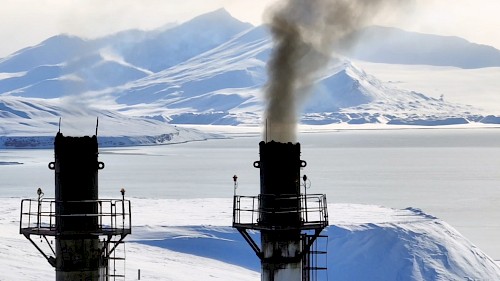
Only two million people call the Arctic home — roughly half the population of Berlin. Beyond the Russian cities of Murmansk and Norilsk, it is largely a wilderness, though one increasingly visited by scientists, especially to the glaciers of Greenland. A Danish research team has made a troubling discovery: much of the island’s meltwater is not coming from the surface of the ice sheet, but from ancient ice layers deep beneath it — ice that releases particularly high concentrations of methane as it melts.
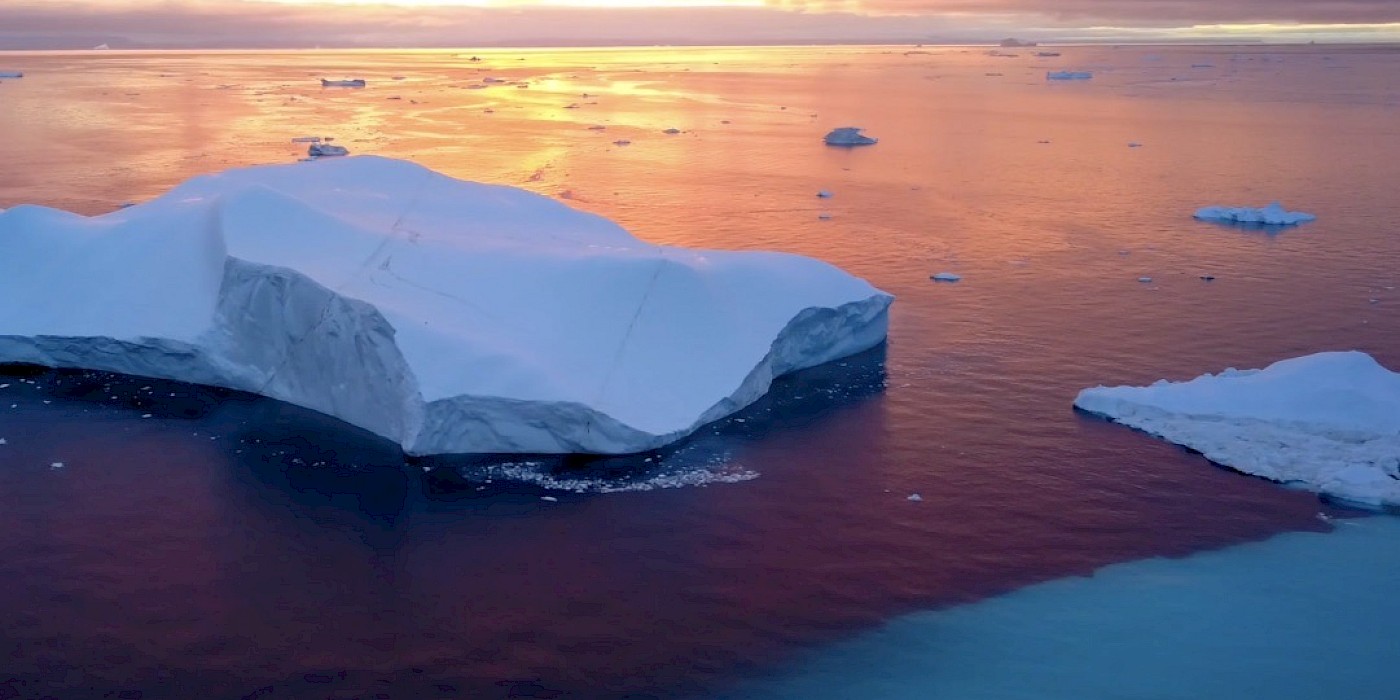
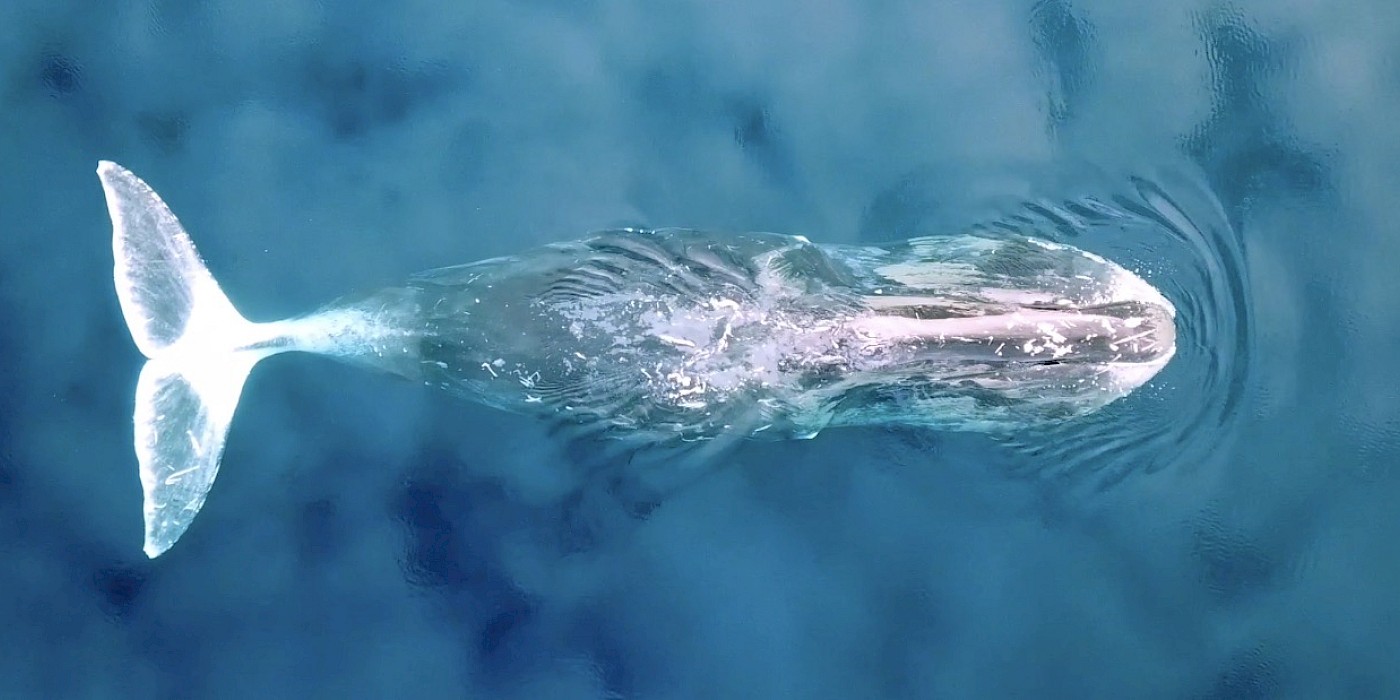
In Disko Bay on Greenland’s west coast, the small town of Ilulissat lies among towering icebergs calved from a glacier whose fjord is a UNESCO World Heritage Site. Further north, whales feed on the nutrients carried up by glacial meltwater.
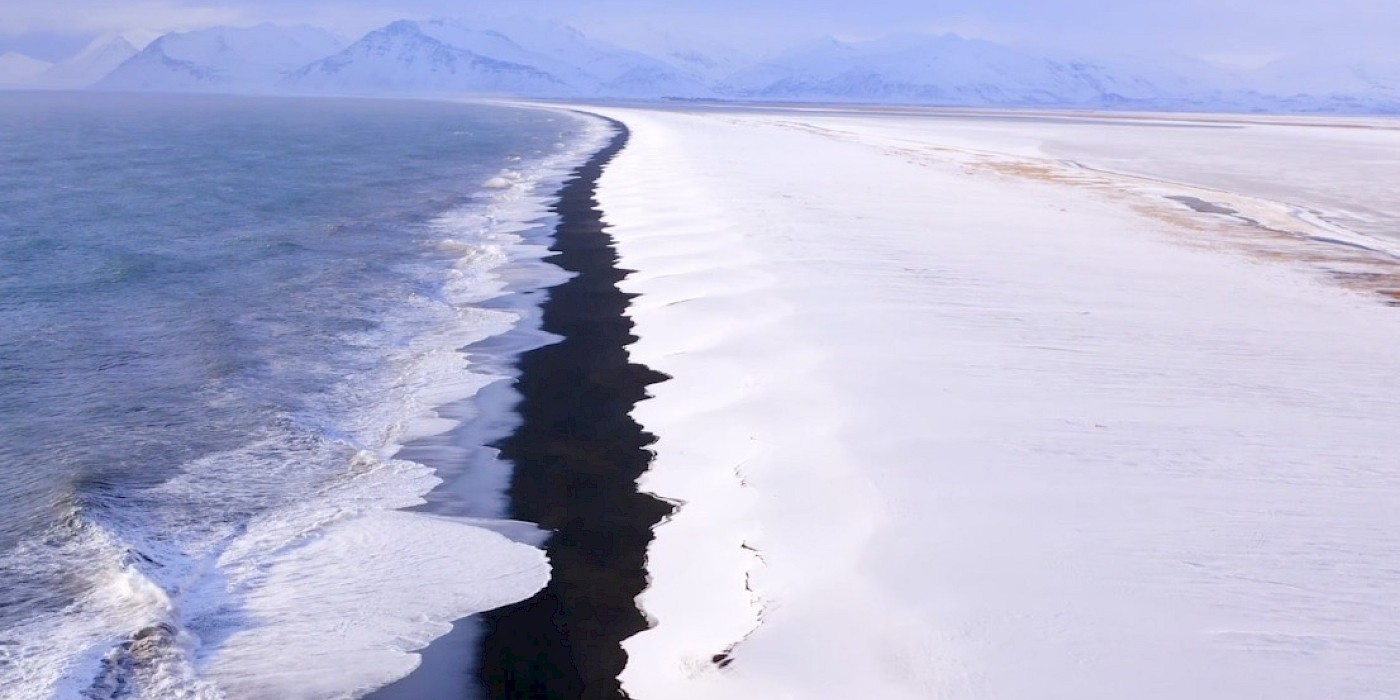
Ittoqqortoormiit in east Greenland at the mouth of Scoresbysund — the largest fjord system on earth — is one of the most remote settlements in Greenland and home to around 900 people. Dog sleds are used to go hunting and catch seals. Sometimes a cruise ship breaks through the dwindling sea ice to Scoresbysund. This is a special event for locals and tourists alike.
Only two million people call the Arctic home — roughly half the population of Berlin. Beyond the Russian cities of Murmansk and Norilsk, it is largely a wilderness, though one increasingly visited by scientists, especially to the glaciers of Greenland. A Danish research team has made a troubling discovery: much of the island’s meltwater is not coming from the surface of the ice sheet, but from ancient ice layers deep beneath it — ice that releases particularly high concentrations of methane as it melts.
In Disko Bay on Greenland’s west coast, the small town of Ilulissat lies among towering icebergs calved from a glacier whose fjord is a UNESCO World Heritage Site. Further north, whales feed on the nutrients carried up by glacial meltwater.
Ittoqqortoormiit in east Greenland at the mouth of Scoresbysund — the largest fjord system on earth — is one of the most remote settlements in Greenland and home to around 900 people. Dog sleds are used to go hunting and catch seals. Sometimes a cruise ship breaks through the dwindling sea ice to Scoresbysund. This is a special event for locals and tourists alike.
Facts
First broadcasts:
ARTE: Saturday, October 21, 2023, 8:15 p.m.
ZDF: Sunday, October 22, 2023, 7:30 p.m.
Credits
Director
Freddie Röckenhaus
Based on an idea by
Petra Höfer
Co-author / Senior Producer
Niomi O’Hara
Head of Post-production / Editing
Johannes Fritsche
Narrator
Benjamin Völz
Music
Boris Salchow
Camera
Peter Thompson, Anton Elchaninov, Florian Ledoux, and many more
Editor ZDF
Katharina Kohl, Friederike Haedecke
Editor ARTE
Marita Hübinger