66,5 Grad Nord - Die Arktis (3/3)
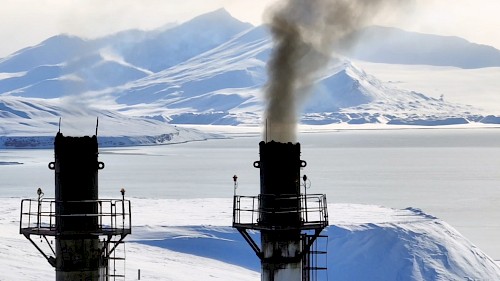
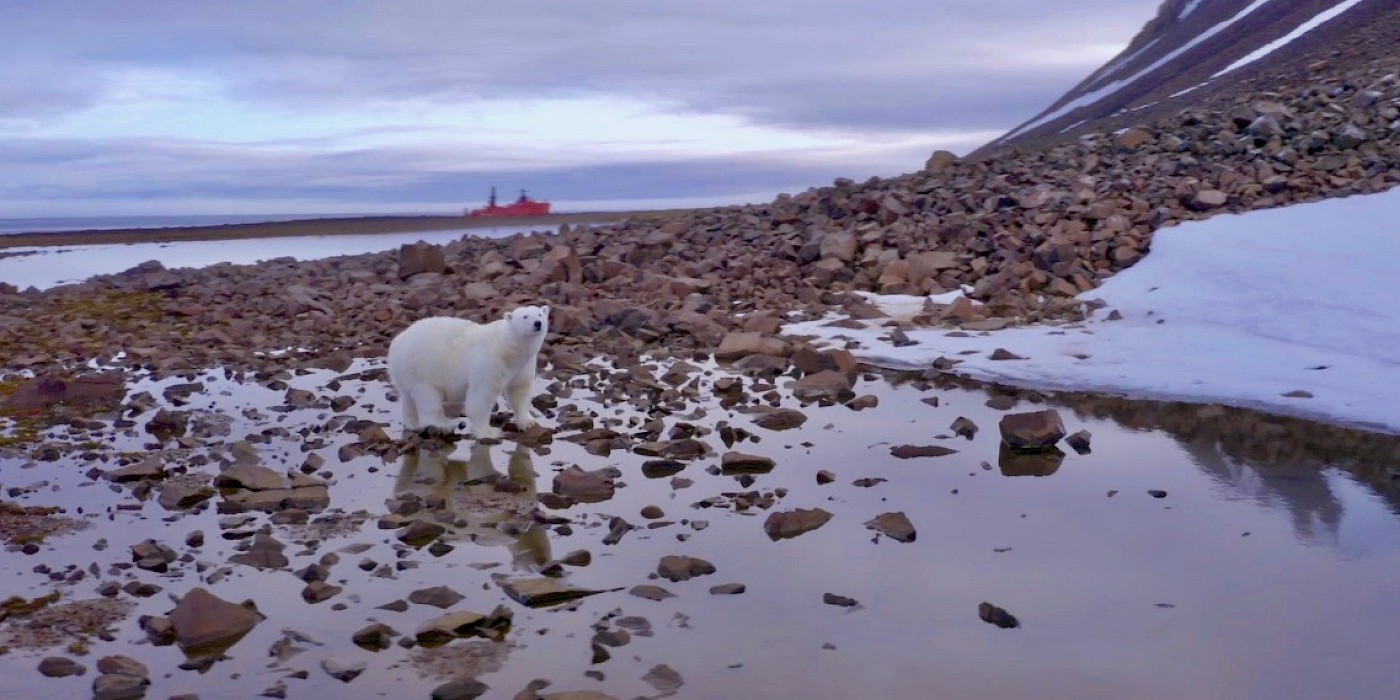
The final episode of the series “The Arctic – 66.5 Degrees North” shows how far the ice melt has progressed and accompanies an icebreaker on its journey through the Arctic, passing polar bears and navigating through the thickest ice.
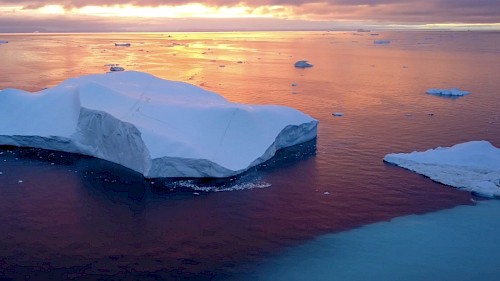
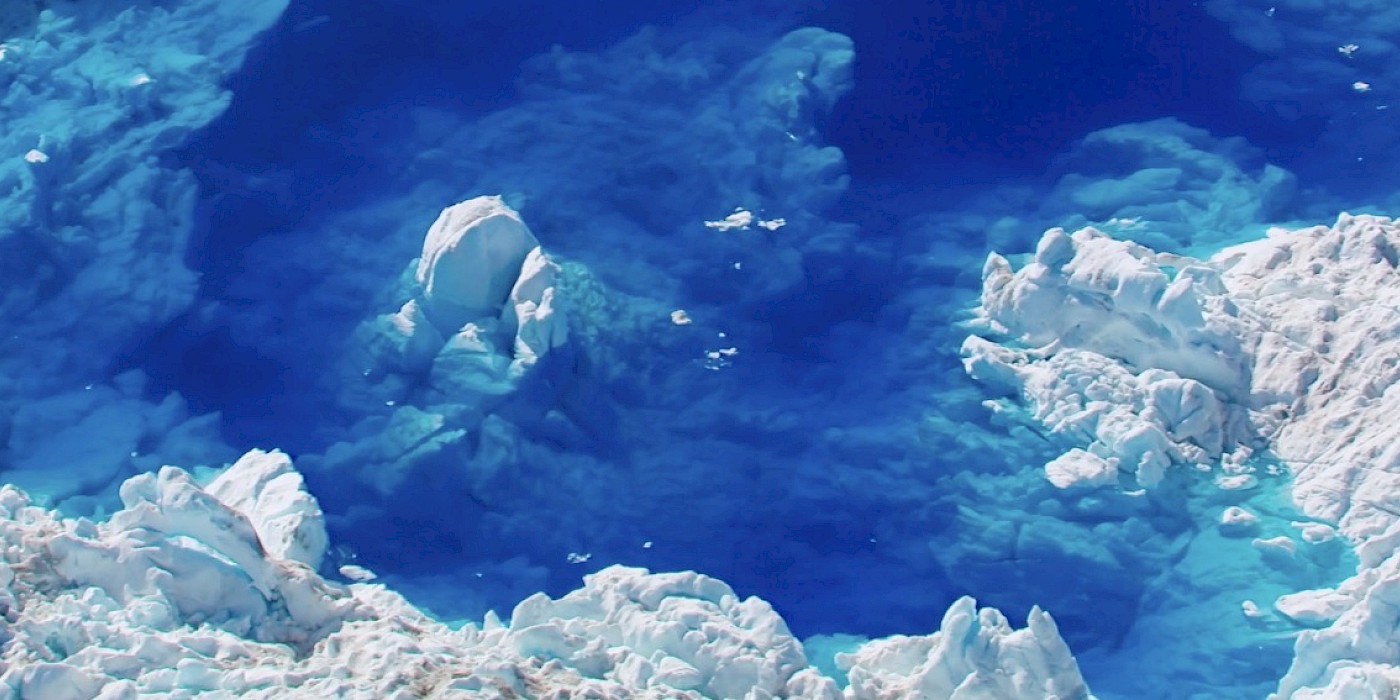
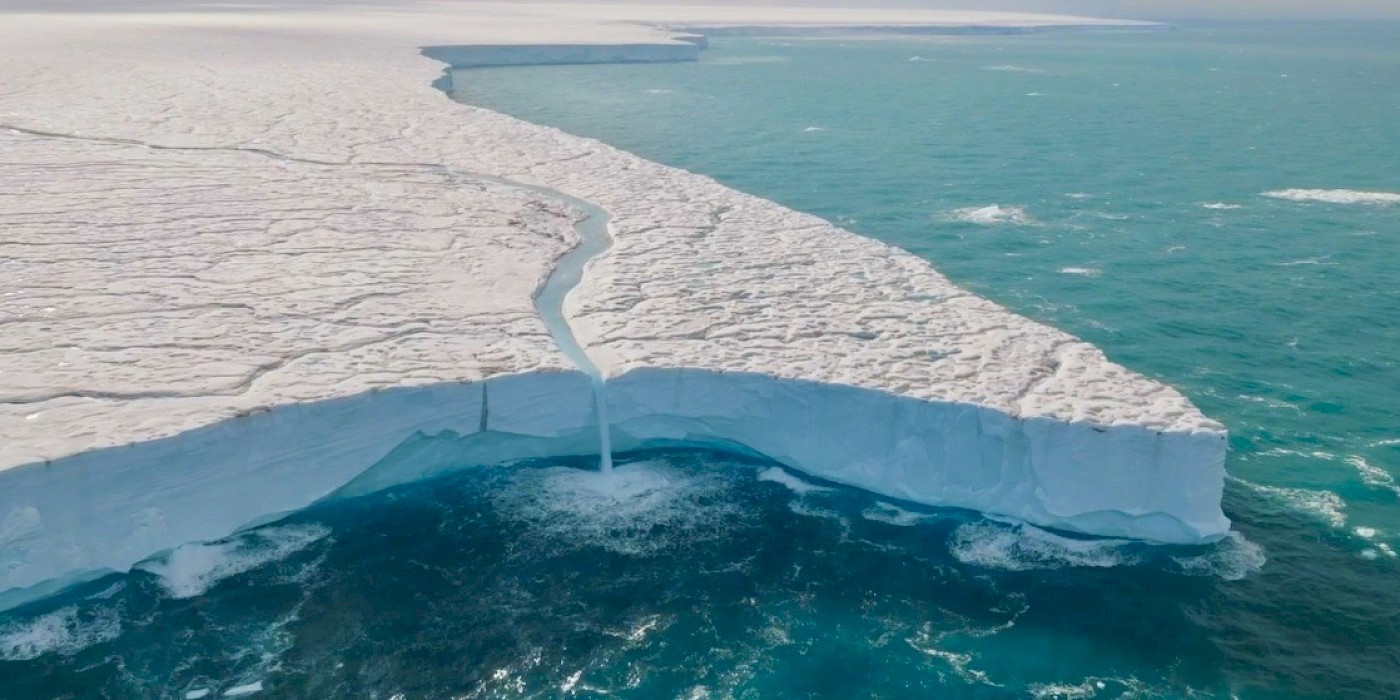
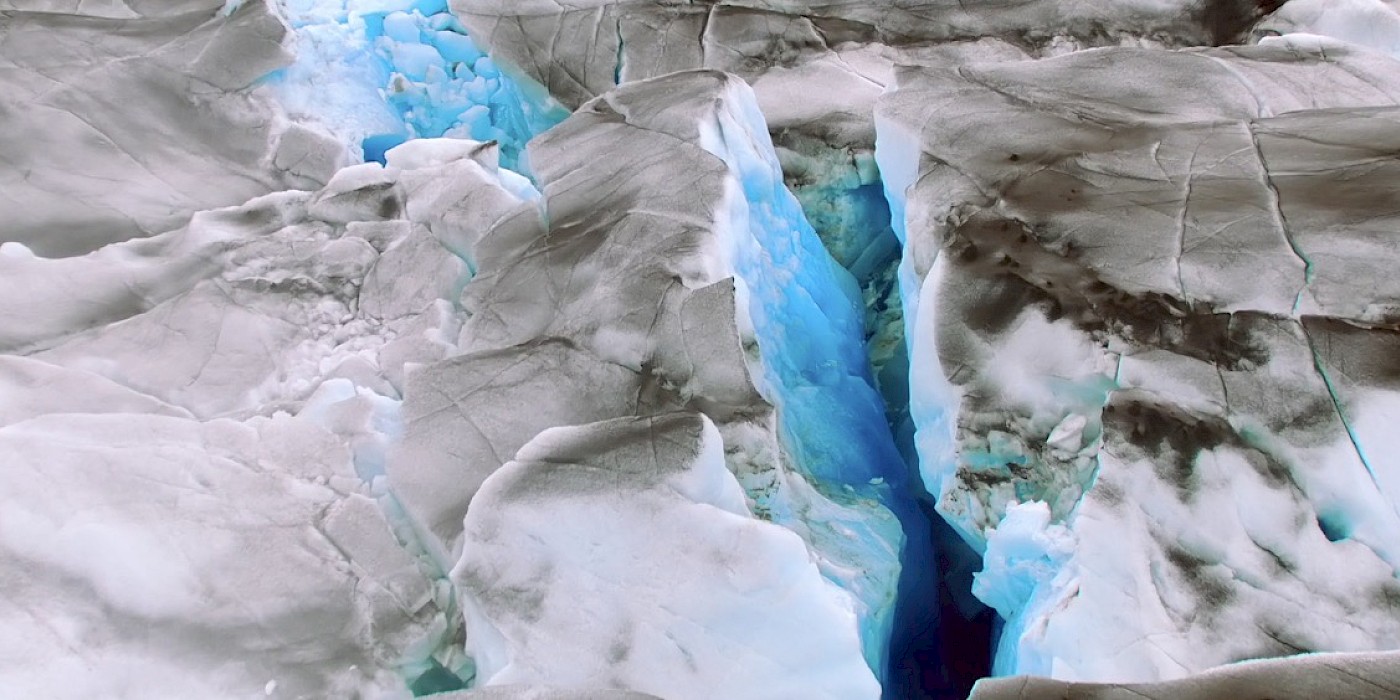
Greenland has been covered in ice for at least 18 million years. Greenland’s ice sheet is 2,500 kilometers long and up to three kilometers thick. If the entire ice sheet were to melt, it would cause sea levels worldwide to rise by 7.20 meters. This is no longer just theory: for years, ice loss along the glaciers has been accelerating. The great melt on the Greenland ice sheet can be beguilingly beautiful. But ice loss on the second-largest ice sheet on Earth, after the Antarctic ice sheet, has increased sixfold since the 1980s.
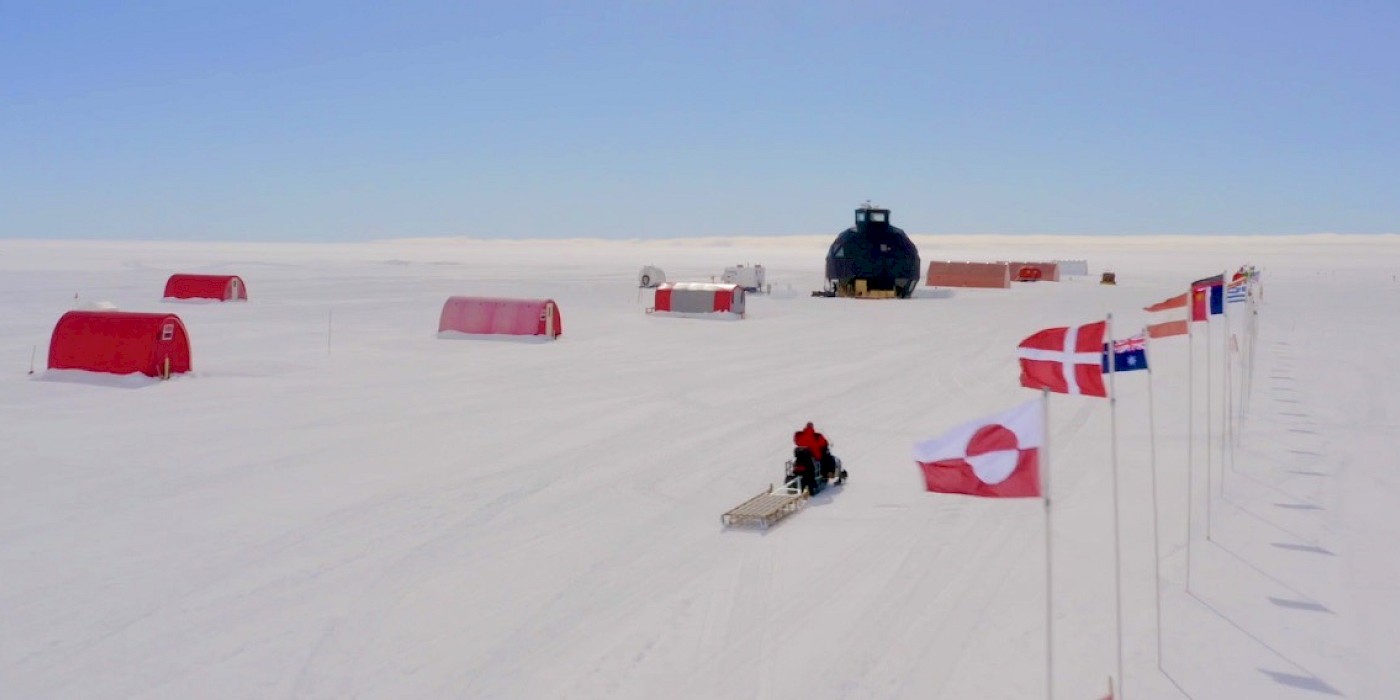
The E-GRIP Camp is located in the middle of the Greenland ice sheet. Even the nearest Greenlandic town, Tasiilaq, is more than 1,000 kilometers away. The camp was set up for long-term research on the ice sheet. The researchers’ work takes place under the ice. Using special drill rods, they take samples from the deepest layers of the ice sheet. The ancient ice opens a window in time; it is like a climate archive of millennia. Spectral analyses also allow conclusions to be drawn as to whether and when the ice of the ice sheet has ever changed as quickly and radically as it is doing now.
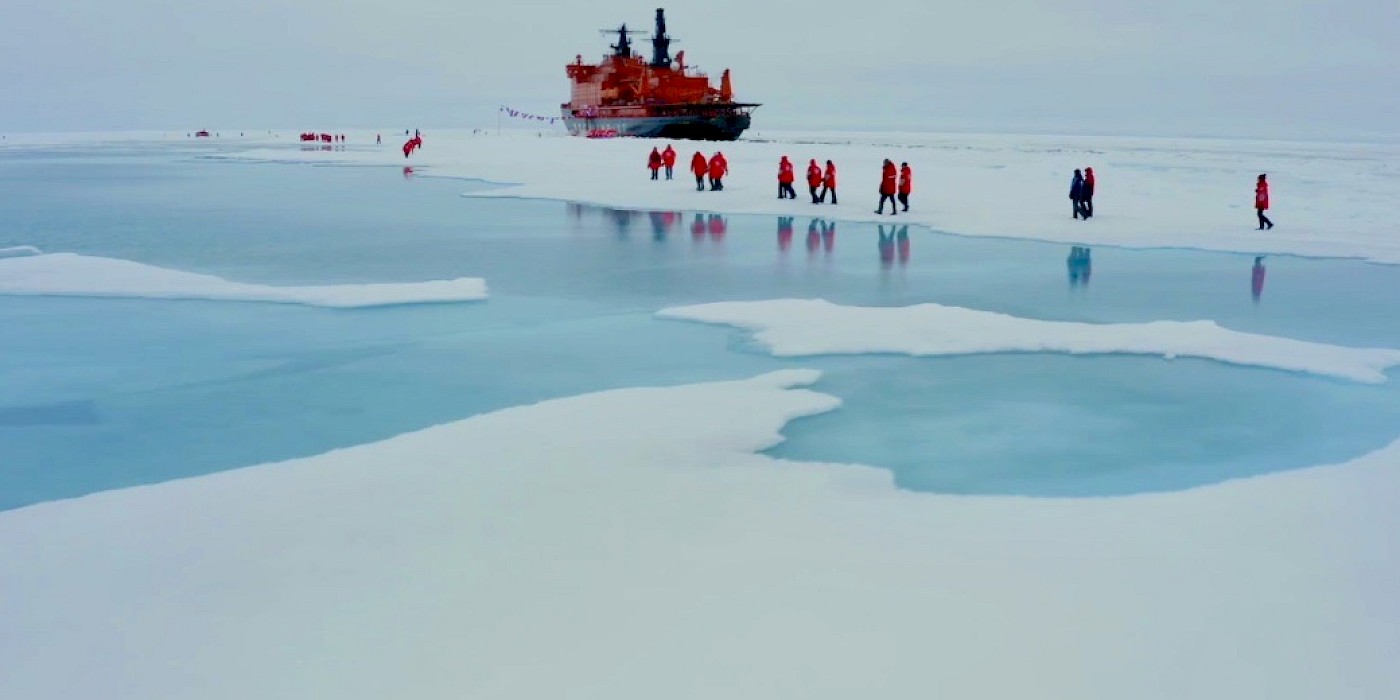
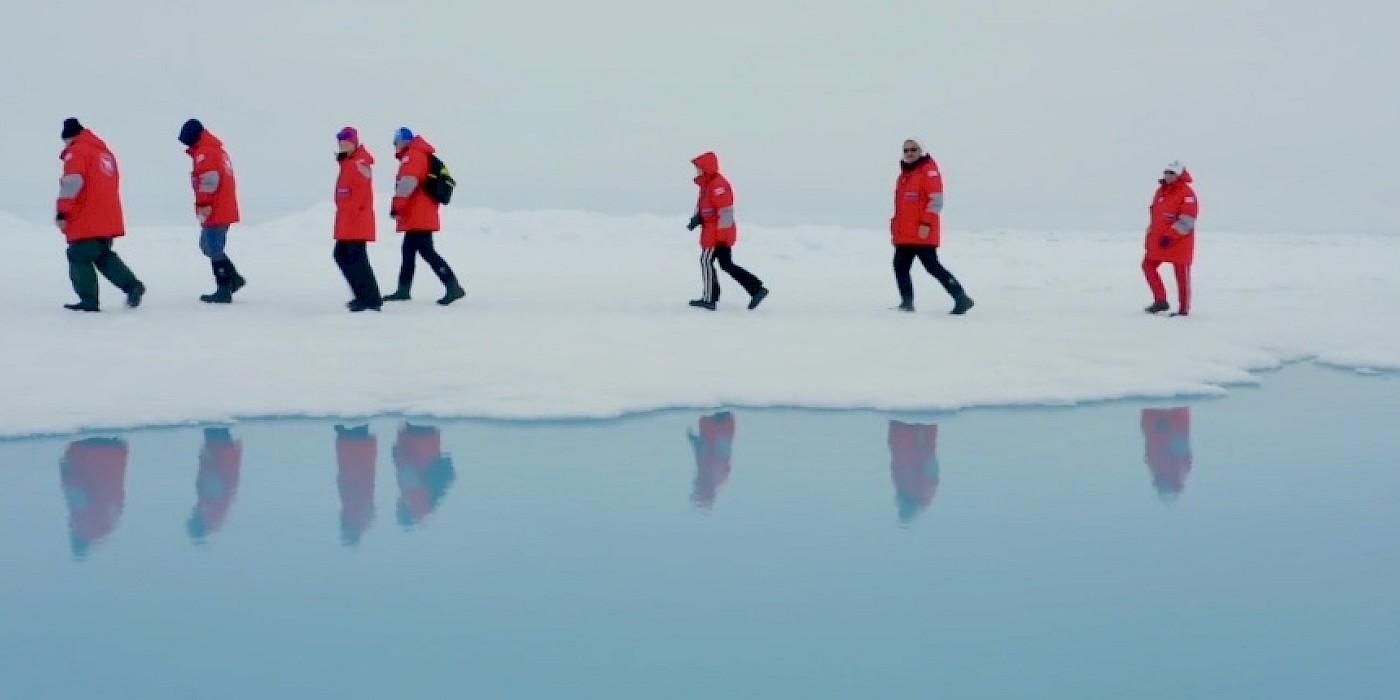
The North Pole, long the epitome of eternal cold, is now on the list of tourist destinations. Nuclear-powered icebreakers take wealthy passengers from the port of Murmansk in Russia to the 90th parallel, the northernmost point of the planet. Instead of an equator baptism, there is a walk on the still-frozen Arctic Ocean.
Greenland has been covered in ice for at least 18 million years. Greenland’s ice sheet is 2,500 kilometers long and up to three kilometers thick. If the entire ice sheet were to melt, it would cause sea levels worldwide to rise by 7.20 meters. This is no longer just theory: for years, ice loss along the glaciers has been accelerating. The great melt on the Greenland ice sheet can be beguilingly beautiful. But ice loss on the second-largest ice sheet on Earth, after the Antarctic ice sheet, has increased sixfold since the 1980s.
The E-GRIP Camp is located in the middle of the Greenland ice sheet. Even the nearest Greenlandic town, Tasiilaq, is more than 1,000 kilometers away. The camp was set up for long-term research on the ice sheet. The researchers’ work takes place under the ice. Using special drill rods, they take samples from the deepest layers of the ice sheet. The ancient ice opens a window in time; it is like a climate archive of millennia. Spectral analyses also allow conclusions to be drawn as to whether and when the ice of the ice sheet has ever changed as quickly and radically as it is doing now.
The North Pole, long the epitome of eternal cold, is now on the list of tourist destinations. Nuclear-powered icebreakers take wealthy passengers from the port of Murmansk in Russia to the 90th parallel, the northernmost point of the planet. Instead of an equator baptism, there is a walk on the still-frozen Arctic Ocean.
Facts
First broadcasts:
ARTE: Saturday, October 21, 2023, 9:45 p.m.
ZDF: Sunday, November 5, 2023, 7:30 p.m.
Credits
Director
Freddie Röckenhaus
Based on an idea by
Petra Höfer
Co-author / Senior Producer
Niomi O’Hara
Head of Post-production / Editing
Johannes Fritsche
Narrator
Benjamin Völz
Music
Boris Salchow
Camera
Peter Thompson, Anton Elchaninov, Florian Ledoux, and many more
Editor ZDF
Katharina Kohl, Friederike Haedecke
Editor ARTE
Marita Hübinger